
The allure of risk and reward
The psychology behind the appeal of casinos often centers around the fundamental human attraction to risk and reward. The thrill of potentially winning a large sum of money serves as a powerful motivator that draws many individuals through casino doors. This attraction is heightened by the unpredictable nature of gambling; the idea of hitting the jackpot can trigger an intense rush of excitement and anticipation. Many players find this excitement mirrored in their experience with the payid casino , where the prospect of a life-changing win can be intoxicating, leading many to chase the high of that next big payout, often disregarding the odds involved.
Additionally, the allure of instant gratification plays a crucial role in this dynamic. Casinos are designed to create an environment where players can quickly experience the highs and lows of gambling. The instant feedback from spinning reels or rolling dice contributes to a rush of dopamine in the brain, further reinforcing the desire to continue playing. This chemical response can lead to a cycle of behavior where the thrill of each bet overshadows the reality of potential losses, encouraging players to gamble more. The excitement of a win often leads to an emotional investment that can be hard to resist, making it difficult for players to walk away, even when faced with losses.
Moreover, the concept of loss aversion is deeply ingrained in human psychology. People are generally more motivated to avoid losses than to achieve gains, which creates a compelling psychological effect within casinos. Players may find themselves chasing losses, convinced that a win is just around the corner, which can result in longer gaming sessions and increased spending. This behavior ultimately ensures that casinos thrive as entertainment venues. Understanding this psychological aspect can provide insights into the broader impact of gambling on individuals and society, highlighting the need for awareness and responsible gaming practices.
The role of environment and design
The environment within a casino is meticulously crafted to enhance the gaming experience and prolong player engagement. From the moment a patron enters, they are enveloped in an atmosphere of excitement and luxury, designed to stimulate the senses. Bright lights, engaging sounds, and inviting decorations create a welcoming yet thrilling environment, drawing players deeper into the gambling experience. This sensory stimulation can lead to a disorientation known as ‘casino fog,’ where time and money seem to lose their significance. Patrons may find themselves losing track of hours while immersed in this carefully curated setting, often leading to overspending without even realizing it.
The layout of casinos is another crucial factor in fostering player engagement. Games are strategically placed to encourage movement and exploration. High-traffic areas are typically filled with slot machines, which are enticingly lit and positioned to invite players to try their luck. Table games are often located deeper within the establishment, creating a sense of adventure as players navigate through the bustling environment. This design approach not only maximizes player exposure to various games but also promotes a sense of camaraderie among players, enhancing the overall social experience. It encourages patrons to explore the casino rather than settle in one place, increasing the likelihood of continued play and, consequently, more potential winnings for the casino.
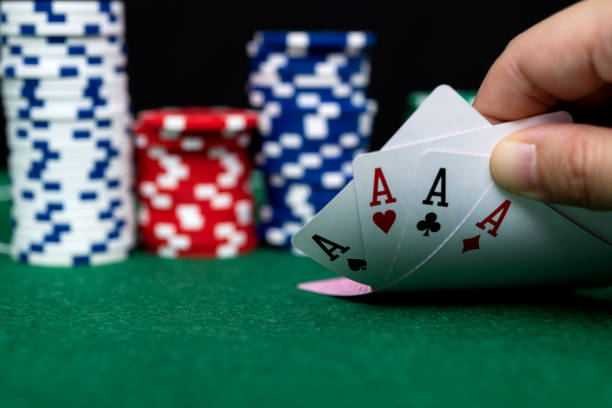
Additionally, casinos often use subtle psychological cues to encourage spending. For instance, complimentary drinks create a relaxed attitude toward betting, which can lead to an increase in time spent gambling as the social aspect of enjoying a drink often enhances the overall experience. By creating an environment that prioritizes comfort and enjoyment, casinos tap into the psychology of their patrons, making it more likely they will return for future visits. The integration of comfortable seating, ambient music, and enticing aromas further enhances the experience, ensuring players feel at ease while they engage in their favorite games, ultimately leading to higher revenues for the casino.
The impact of social experiences
The social component of gambling significantly contributes to the success of casinos. Many individuals are drawn to the communal experience of gambling, where they can share their highs and lows with others. The atmosphere of excitement often encourages conversation and camaraderie among players, turning a solitary activity into a shared adventure. This social interaction can enhance the enjoyment of gambling, as players celebrate wins together and commiserate over losses, creating a sense of belonging within the casino environment. The shared emotions of joy and disappointment can strengthen connections among players, making their experiences more memorable and encouraging them to return.
Moreover, group dynamics can play a pivotal role in influencing individual behavior. People often feel more confident about their bets when surrounded by others, a phenomenon known as the ‘herd effect.’ This can lead to increased betting amounts and riskier decisions that individuals might not make alone. The presence of friends or other players can amplify the thrill of the game, producing an emotional rollercoaster that enhances the overall gambling experience. The excitement of collective participation can create an adrenaline rush, making the experience more exhilarating and encouraging longer play times, ultimately benefiting the casino.
Furthermore, casinos frequently host events, tournaments, and themed nights to foster community and attract a wider audience. These events not only encourage participation but also create a buzz that can lead to higher revenue. Understanding the psychology of community and social engagement can help casinos develop strategies that enhance player loyalty and encourage repeated visits. By cultivating a vibrant social atmosphere, casinos can turn casual players into loyal patrons who return for the communal experience as much as for the games themselves, thereby ensuring a sustained flow of income.
Cognitive biases and decision-making
Cognitive biases significantly influence how gamblers perceive their experiences within a casino. The gambler’s fallacy, for example, is a common belief that past events affect future outcomes. Individuals may think that if a slot machine hasn’t paid out in a while, it is ‘due’ for a win. This misunderstanding of probability can lead players to make irrational decisions, often resulting in greater losses. Casinos exploit these biases to maintain player engagement, as individuals are more likely to continue betting in hopes of an eventual win. By understanding these biases, players can better recognize when their judgment may be clouded by emotional impulses, enabling them to make more rational decisions.
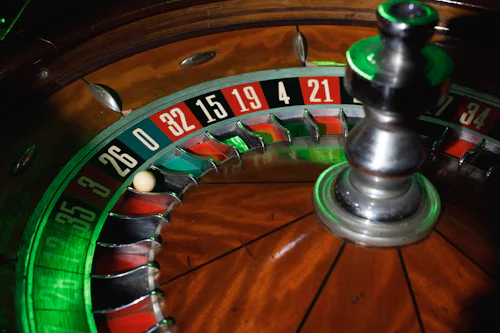
Another bias at play is the illusion of control, where players believe they can influence the outcome of certain games through skill or strategy, despite the inherent randomness involved. This belief may lead gamblers to participate more actively in games like blackjack or poker, where they feel their decisions impact results. Casinos often promote these games as skill-based to capitalize on this cognitive error, encouraging players to take greater risks in pursuit of victory. This perception can create an addictive cycle, where the thrill of perceived control leads to increased engagement and spending, further benefiting the casino.
Additionally, the concept of ‘sunk cost fallacy’ can further entrap players. Once individuals have already invested time or money into gambling, they may be less willing to walk away, convinced that their continued participation will eventually yield a profit. This psychological trap keeps players engaged longer than they might otherwise have been, allowing casinos to reap the rewards of prolonged play. Recognizing these cognitive biases provides valuable insights into the psychological mechanisms that drive gambling behavior and casino success, highlighting the importance of self-awareness in the gambling experience.
Conclusion: Understanding casino psychology for responsible gaming
As we delve into the intricate psychology behind casino success, it becomes evident that understanding these underlying principles is essential for both players and casino operators. Recognizing the allure of risk and reward, the impact of environment and design, the significance of social experiences, and the effects of cognitive biases equips individuals with the knowledge to approach gambling more consciously. It empowers players to make informed decisions and establish boundaries to protect themselves from potential negative consequences. This awareness can help individuals enjoy gambling as a form of entertainment rather than an escape or a financial strategy, promoting a healthier relationship with gaming.
For casino operators, acknowledging these psychological elements can lead to the development of more responsible gaming practices. By prioritizing player well-being while still creating an engaging atmosphere, casinos can enhance their reputations and build loyalty among patrons. This balance is critical to maintaining a sustainable business model that respects the mental health of its customers while maximizing profit. Implementing responsible gaming initiatives not only benefits players but also reinforces the casino’s commitment to ethical practices in a competitive market, fostering a healthier gaming environment.
As a resource for those interested in the psychological aspects of gambling, this website aims to provide valuable insights and awareness. By fostering a deeper understanding of the motivations and behaviors associated with casino experiences, we hope to encourage responsible gaming and a healthier approach to gambling entertainment. Ultimately, knowledge is a powerful tool that can transform how we engage with this thrilling yet complex world, ensuring that both players and operators can navigate the landscape of gambling with greater awareness and responsibility.