
Super Stake Roulette from Stakelogic is one of those modern live/virtual hybrids that targets UK players who want a fresh spin on classic roulette. This piece examines the game, presents practical guidance for choosing a betting system, and provides statistics and context specific to the Super Stake edition. The format below is a Review that also includes a short expert comment and a compact FAQ to help UK players make an informed choice.
Overview of Stakelogic Super Stake Roulette
Stakelogic’s Super Stake edition injects extra mechanics into roulette rounds: multipliers, side bets, and a Super Stake feature that allows players to increase stake-specific modifiers for bonus outcomes. Visually it mirrors traditional European/Single Zero tables but adds on-screen statistics, streak indicators and a dynamic “Super Stake” button that ups the potential returns when activated.
Core game features
- Single-zero wheel typical of EU roulette (reduces house edge vs double-zero).
- Super Stake option: pay an extra % to activate increased chance or multiplier for side-win events.
- Side bets: short-term bets with higher volatility (e.g., neighbours, exact number bundles).
- On-screen statistics: hot/cold numbers, last 100 spins, distribution heatmap.
Why UK players should care
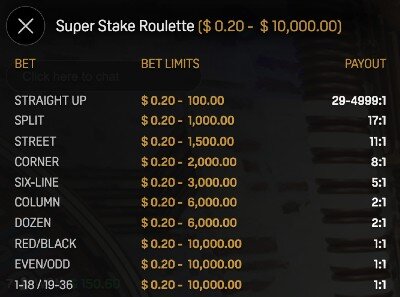
Stakelogic Roulette Super Stake edition statistics
UK-regulated players often prioritize fairness, responsible play options, and quality RNG/live protocols. Stakelogic targets those preferences by offering a familiar European layout while adding volatility controls via Super Stake. For regulated UK audiences, the Single Zero base and transparent on-screen stats are attractive, but the extra-cost Super Stake needs careful consideration when choosing a betting system.
Choosing a betting system for Super Stake Roulette
Picking a betting system for this game depends on risk appetite and the Super Stake mechanic. Below are structured approaches to make an informed choice:
Flat-betting (low variance)
Description: Wager the same base stake each spin and avoid Super Stake add-ons, or use them sparingly.
- Pros: preserves bankroll, easy to manage, avoids chasing losses amplified by Super Stake.
- Cons: limited upside; the Super Stake’s value is often missed.
- Recommended for: conservative UK players, those on restricted budgets, or beginners.
Proportional staking (medium variance)
Description: Stake a fixed percentage of current bankroll each spin. Use Super Stake only on pre-defined signals (e.g., after long cold streak, or when hot number patterns appear).
- Pros: adapts to bankroll size, gives occasional exposure to Super Stake’s extra returns.
- Cons: requires discipline and tracking; Super Stake costs can compound during downturns.
- Recommended for: intermediate players comfortable with bankroll fluctuations.
Martingale-style recovery (high variance — dangerous with Super Stake)
Description: Double bet after each loss to recover. Adding Super Stake turns losses into expensive sequences very quickly.
- Pros: can recover small losing streaks if table limits and bankroll permit.
- Cons: extremely risky; Super Stake multiplies potential losses and is not advised for Martingale.
- Recommended for: generally not recommended for UK players who prefer responsible gambling.
Targeted trigger strategy (event-driven)
Description: Use Super Stake only when certain statistical triggers occur (e.g., a number appears x times in last y spins, or a specific hot/cold pattern emerges). Combine with modest flat bets otherwise.
- Pros: leverages the Super Stake when perceived expected value rises; reduces wasted Super Stake fees.
- Cons: depends on interpreting short-term RNG patterns; no guaranteed EV edge.
- Recommended for: analytical players who use on-screen stats actively.
Super Stake edition statistics — what matters
Understanding key statistics helps when aligning a system to the game:
- RTP baseline: Single-zero roulette typically has a house edge around 2.7% (RTP ~97.3%).
- Super Stake premium: this is an extra cost to the bet that changes effective RTP — the higher the premium, the lower the long-term RTP if the bonus multipliers don’t compensate.
- Volatility: Super Stake increases short-term variance by introducing side events and multipliers.
- Distribution: with a single-zero wheel, number distribution should be uniform over large samples. Short samples (100–1,000 spins displayed) will show streaks and clustering.
Practical implication: The Super Stake function alters expected value on a per-bet basis. If the expected multiplier benefit is lower than the extra premium, the Super Stake reduces your long-run returns. Only treat it as a tactical option for short-term play with a clear stop-loss.
Risk management and bankroll rules
UK players should follow these rules when using any system in Super Stake Roulette:
- Set a session loss limit and a win-goal. Stop once either is reached.
- If using Super Stake, cap the percentage of bankroll exposed to it (e.g., no more than 2–3% per Super Stake event).
- Avoid progressive recovery systems with Super Stake due to amplified downside.
- Use casino responsible-gambling tools available through UK sites (limits, cool-off).
Short expert comment
Experienced Player: “I treat Super Stake like an optional booster only to be used when the on-screen stats and my bankroll alignment match; Otherwise it’s a fee that erodes my edge. The best approach I found is a proportional staking plan with tight Super Stake triggers and strict session boundaries.”
Frequently asked questions
Is Super Stake Roulette fair for UK players?
Yes — assuming you play at a licensed UKGC casino and the game uses proper RNG or certified live procedures. The base single-zero wheel has known math; Super Stake is an additional paid mechanic and its value depends on multiplier probabilities disclosed in game rules.
Should I always use the Super Stake option?
No. Use it selectively. Over-using Super Stake reduces your long-term RTP unless the booster’s expected payout exceeds the premium cost.
What betting system works best with Super Stake?
There is no guaranteed best system. For most UK players a proportional staking method with event-based Super Stake triggers balances risk and reward. Flat-betting is safest; avoid Martingale-type recovery when Super Stake is enabled.
Basic winning odds calculator (simple)
Use this mental calculator for even-money bets (red/black, odd/even) on a single-zero wheel:
- Probability of winning (even-money) ≈ 18/37 ≈ 48.65%.
- Probability of losing ≈ 19/37 ≈ 51.35% (including zero).
- Expected long-run RTP for even-money ≈ 97.3% (when not using Super Stake).
- If Super Stake charges x% extra per bet and expected additional multiplier EV is less than x%, effective RTP drops by that difference.
Practical playing routine for UK players
- Decide session bank: no more than you can afford to lose.
- Choose base bet (flat or percent of bankroll).
- Define clear Super Stake trigger rules (e.g., use Super Stake only when a single number has landed 2+ times in last 12 spins, or when an on-screen multiplier is active and odds look favorable).
- Cap number of consecutive Super Stake uses (e.g., max 3 in a session).
- Log results and adjust strategy after 5–10 sessions; treat Super Stake trials as experiments, not guaranteed boosters.
Stakelogic Roulette Super Stake edition gives UK players an engaging twist on traditional European roulette by adding an optional paid booster and visible short-term statistics. Choosing a betting system should be driven by risk tolerance: flat-betting or proportional staking are sensible defaults, while aggressive recovery systems are risky, especially with Super Stake’s added variance. Use the simple odds calculator and the on-screen stats to time Super Stake entries conservatively, and always apply strict bankroll and responsible-gambling limits.