
Understanding the psychology behind gambling What drives our bets
The Allure of Risk and Uncertainty
The thrill of gambling often stems from our inherent attraction to risk and uncertainty. Human beings have a natural tendency to take chances, driven by the excitement of not knowing the outcome. This uncertainty activates the brain’s reward system, releasing dopamine and creating feelings of pleasure and excitement. Whether it’s spinning the reels of a slot machine or placing a bet on a game, the unpredictability of winning heightens the overall experience, making it alluring for many. Additionally, when seeking information about online casinos, one can visit https://syndicatecasinosau.com for insightful resources.
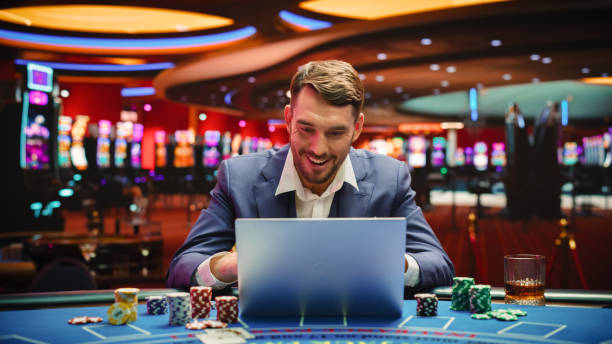
Moreover, our brains are wired to perceive risks differently than most people realize. For some, the thrill of risk becomes addictive, creating a cycle of chasing losses or attempting to regain previous victories. This behavior can be seen in various gambling formats, from poker games to sports betting, where anticipation builds with every moment, enhancing the emotional high. Understanding this risk-seeking behavior is essential to grasp why people are drawn to gambling despite potential losses.
Additionally, cognitive biases, such as the illusion of control, can further fuel this attraction. Many gamblers believe they can influence outcomes through skill or strategy, even in purely chance-based games. This misconception often leads to increased betting, as players overestimate their chances of winning. Ultimately, this interplay between risk, uncertainty, and cognitive biases shapes the psychology behind gambling, making it a compelling pursuit for many individuals.
The Role of Social Interaction
Gambling is not merely an individual activity; it often serves as a social experience that enhances its appeal. For many, the atmosphere of casinos and betting venues fosters a sense of community and camaraderie. Engaging with others during games can create shared excitement and emotional highs, making the experience more enjoyable. Social interactions also play a crucial role in establishing a shared narrative, where players recount their experiences and victories, deepening their connection to the activity.
Furthermore, the social dynamics of gambling can lead to a phenomenon known as “social proof,” where individuals are influenced by the behavior of those around them. When surrounded by enthusiastic gamblers, one’s desire to participate increases, creating a culture of risk-taking. This social reinforcement can lead to increased betting and a shared experience that is difficult to replicate in solitary gambling activities.
In addition, the rise of online gambling platforms has transformed social interaction in this domain. Virtual communities and live dealer games offer players the chance to interact with others while enjoying the thrill of gambling. These platforms incorporate chat features, allowing players to share their experiences and strategies, which further intensifies the communal aspect of gambling. Thus, social interaction plays a pivotal role in driving gambling behavior, making it more than just a personal pastime.
The Impact of Emotional State
Emotions significantly influence our decisions to gamble. People often turn to gambling as an escape or to enhance their current emotional state. When experiencing stress, anxiety, or even boredom, individuals might seek the thrill of gambling as a means of distraction. This behavior is rooted in the brain’s desire for pleasure and relief, leading to a temporary sense of euphoria when wins occur. However, this emotional reliance can result in problematic gambling behavior if left unchecked.
Moreover, the relationship between emotional states and gambling can be cyclical. A loss may lead to feelings of frustration or sadness, prompting individuals to gamble again in hopes of recovery. This tendency can create a pattern where gambling becomes a coping mechanism, reinforcing the idea that it can fix emotional distress. Understanding this emotional aspect is crucial in addressing gambling behavior, as it highlights the need for healthier coping strategies and emotional regulation.
Additionally, the excitement associated with winning can lead to a heightened state of emotion, further driving the urge to continue gambling. The euphoria from a substantial win can overshadow the potential risks involved, creating a false sense of security. This emotional investment in wins often clouds judgment, leading players to make irrational bets. Recognizing the impact of emotional states on gambling behavior can help individuals make more informed choices and promote responsible gaming practices.
The Influence of Marketing and Advertising
Marketing strategies significantly shape our perceptions and experiences with gambling. Advertisements often highlight big wins, extravagant lifestyles, and the excitement surrounding gaming, appealing to our desires and aspirations. These tactics create a glamorous image of gambling that can entice individuals to participate. Promotions, welcome bonuses, and loyalty programs serve as additional incentives to attract new players and retain existing ones, making the allure of gambling even more compelling.
Moreover, the use of psychological tactics in marketing can play a critical role in motivating gambling behavior. Techniques such as scarcity (“limited time offers”) and social proof (“everyone is playing”) are designed to trigger urgency and FOMO (fear of missing out). These strategies tap into our innate psychological triggers, leading individuals to make impulsive decisions regarding gambling. The omnipresence of advertising in today’s digital landscape further amplifies this influence, making it easier for individuals to engage with gambling activities.
The online gaming industry, in particular, has mastered these marketing techniques, using data analytics and targeted advertising to reach specific demographics. Understanding these tactics can provide insight into why many people feel compelled to gamble, as the combination of emotional appeal and strategic marketing creates a powerful motivator. By dissecting the impact of marketing on gambling behavior, individuals can better navigate their decisions and remain mindful of the influence these external factors have on their choices.

Responsible Gaming and Online Platforms
As gambling continues to evolve, especially in online environments, understanding responsible gaming has become increasingly crucial. Platforms like Syndicate Casino Australia prioritize creating a safe gaming environment through various measures aimed at promoting responsible gambling. These include setting limits on deposits and losses, providing self-exclusion options, and encouraging users to take breaks. Educating players about the risks associated with gambling is vital in fostering healthier habits.
Additionally, awareness programs that highlight the psychological aspects of gambling can empower individuals to make informed choices. By understanding the underlying motivations and triggers that drive betting behavior, players can better regulate their gambling activities. The integration of resources for problem gambling within online platforms supports this initiative, ensuring that help is readily available when needed.
Ultimately, creating a balanced gaming experience requires a collective effort from both players and operators. While the thrill of gambling is undeniable, the importance of responsible gaming practices cannot be overstated. Platforms like Syndicate Casino strive to blend enjoyment with safety, offering a variety of resources to help individuals navigate their gambling experiences responsibly.